
University of Arizona Bolsters Defenses Against New World Screwworm Threat
The University of Arizona is enhancing its preventative and responsive measures for the New World screwworm following its detection in New Mexico, close to the Arizona border, impacting concerns for the state's beef industry and livestock.
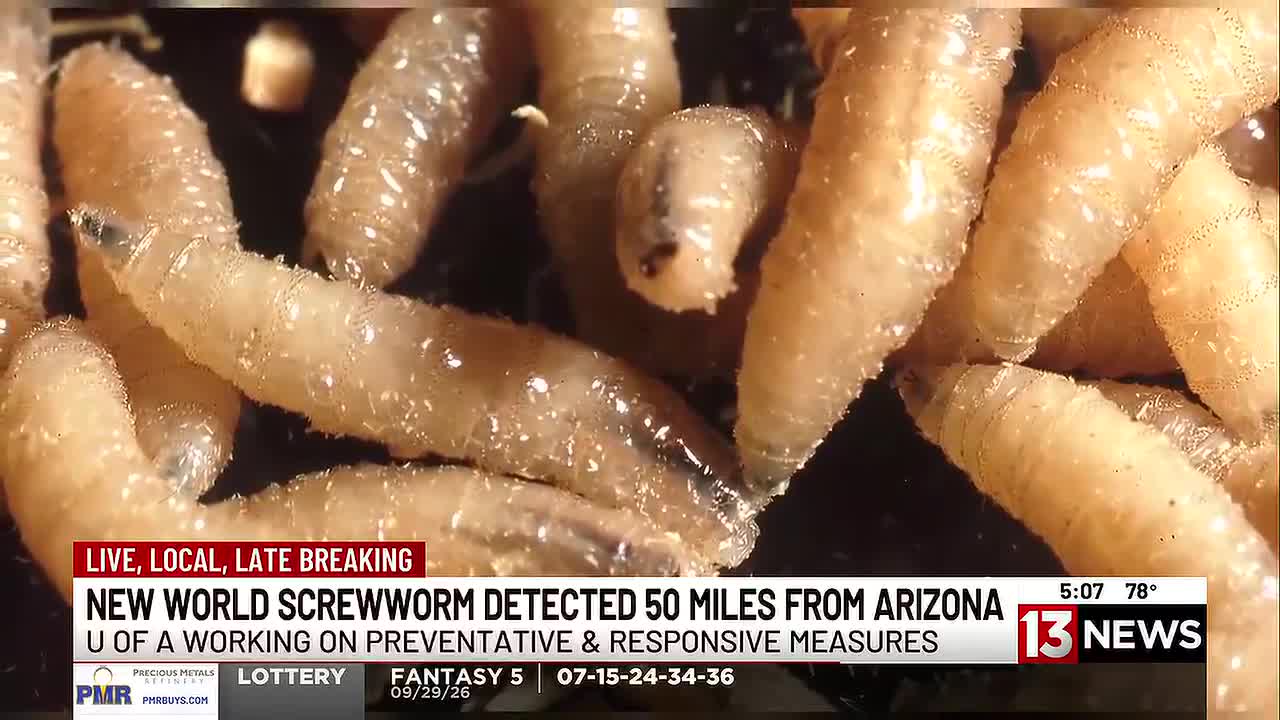
 Tucson, AZ, September 30, 2026 — The University of Arizona is intensifying its efforts to guard against the New World screwworm, a parasitic insect, after the pest was identified in New Mexico. The proximity of this detection to the Arizona border has heightened concerns for the state’s vital beef industry and its livestock population.
In response to the detected presence of the New World screwworm in New Mexico, the University of Arizona is implementing enhanced preventative and responsive measures. This proactive stance aims to safeguard Arizona’s agricultural sector, particularly its cattle ranches, from the potential impact of the pest.
The New World screwworm ( Cochliomyia hominivorax ) is a fly species whose larvae feed on living flesh, posing a significant threat to warm-blooded animals. The recent detection in New Mexico, near the Arizona state line, has prompted increased vigilance and preparedness among agricultural and veterinary experts in Arizona.
While the specific details of the University of Arizona’s enhanced measures were not fully elaborated in the summary, the focus is on bolstering both preventative strategies and rapid response capabilities. This could include expanded surveillance, public awareness campaigns for ranchers, and preparation of resources for swift containment and eradication efforts should the pest cross into Arizona.
The potential economic implications for Arizona’s beef industry are a primary concern. Livestock infestations by screwworms can lead to severe health issues, reduced productivity, and in some cases, death, resulting in significant financial losses for producers. The University of Arizona’s role is critical in providing scientific expertise, coordinating research, and disseminating information to mitigate these risks.
Further information regarding the exact nature of the preventative actions and the specific response plans being put into place by the University of Arizona was not provided in the trend summary. However, the institution’s commitment to addressing this emerging threat underscores the importance of biosecurity measures for the state’s agricultural producers.
Story summarized from the original created by Kayla Butter on www.kold.com, see more information here.
Media gallery

