Live Wildly Releases Study to Help Florida Communities Save Millions While Building Wildlife Crossings that Protect People and Nature
New Study Reveals Wildlife Crossings Can Provide Communities a 10-to-1 Return on Investment Through Healthier Natural
Press Release Disclaimer: This is a press release distributed through the XPR Media network. It has not been independently verified by our newsroom.


New Study Reveals Wildlife Crossings Can Provide Communities a 10-to-1 Return on Investment Through Healthier Natural Resources, Reduced Car Collisions and Saved Lives
TALLAHASSEE, FL / ACCESS Newswire / September 15, 2026 / A new study commissioned by Live Wildly and prepared by engineering firm FDA | Prime AE has identified cost-saving ways Florida communities can construct wildlife crossings on local roads to protect natural resources and promote public safety – all while generating an estimated $10 in public benefits for every $1 invested.
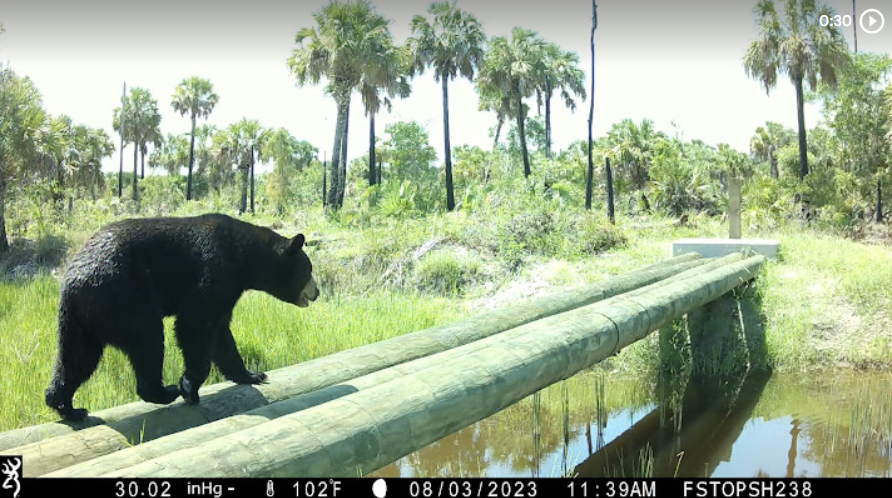
Collisions between vehicles and wildlife cause about 200 deaths, 26,000 injuries and more than $8 billion in costs nationwide each year. In Florida, wildlife collisions are the leading cause of death for Florida panthers and black bears.
According to the study, wildlife crossings paired with fencing are the most effective solution, reducing wildlife-vehicle collisions by 87% or more. But many communities across Florida struggle with the expense of building these structures that allow animals to safely navigate the state’s growing roadways.
“This study can serve as a guide for Florida communities, helping them identify cost-saving strategies and funding resources to build local wildlife crossings,” said Meredith Budd, Deputy Director of Live Wildly. “We hope the study will also spur the development of more wildlife crossings across the state to save lives, improve natural resources and save taxpayer dollars.”
Citing a national cost-benefit analysis, the study estimates that a single wildlife crossing with an expected 70-year life span can lead to 1,400 fewer collisions, an average of 1.4 fewer passenger fatalities, 60 fewer injuries, $1.6 million in savings from avoided vehicle damage, $43,000 in savings from avoided roadkill disposal costs, $23,000 in savings from avoided towing and police costs and 1,200 fewer animal fatalities. In addition, the analysis found a single wildlife crossing supports $2.1 million in ecological benefits by returning animals to their natural movement patterns which, in turn, supports healthy lands and waters that are critical to agriculture production, clean drinking water, carbon sequestration, pollination and other vital services to people and nature.
Overall, the study estimates that communities can reap $10 in social benefits for every $1 spent constructing wildlife crossings. For a local government, that means a $500,000 investment in a wildlife crossing could generate roughly $5 million in benefits over the structure’s life – about $71,400 a year – with benefits exceeding costs within about seven years.
“Communities don’t have to choose between public safety, healthy wildlife habitat and fiscal responsibility,” Budd said. “Wildlife crossings can do all three.”
Among the strategies outlined in the study to help communities maximize the public safety, environmental and financial impacts of wildlife crossings are: retrofitting existing bridges and culverts to create pathways for animals, incorporating wildlife connectivity into local comprehensive and transportation plans, prioritizing locations with conservation lands on both sides of the road, and developing partnerships with non-government organizations for funding and technical support.
The study emphasizes the need to incorporate ecological data and connectivity objectives early in the planning process to avoid costly redesigns, and it identifies lower-cost materials and construction methods – such as corrugated metal structures, modular precast components and bundling crossings into already-planned road or bridge projects – that can bring costs down substantially. The study also points local governments to federal programs that can help pay for crossings, including the Wildlife Crossings Pilot Program, the Highway Safety Improvement Program and the Surface Transportation Block Grant Program.
Vehicle collisions with animals are a significant problem in Florida. Between 2014 and 2022, more than 20 panthers each year were hit by vehicles on Florida roads. An average of about 250 black bears a year have been killed by vehicles over the past decade. Smaller animals – including bobcats, river otters, gopher tortoises and even birds – die on Florida roads in staggering numbers: One stretch of State Road 40 through the Ocala National Forest recorded more than 63,000 roadkill observations over a three-year period.
“As communities, government agencies, businesses and others work together to protect Florida’s lands and waters – including those inside Florida’s Wildlife Corridor – wildlife crossings can play a key role,” Budd said.
State lawmakers established the Florida Wildlife Corridor in 2021 to conserve the “green infrastructure that is the foundation of this state’s economy and quality of life.” The Corridor’s 18-million-acre network of connected lands and waters stretches from the Everglades to the Panhandle. It not only provides habitat for almost 2,000 different species – including the Florida panther, manatees and the gopher tortoise – but the Corridor also supports more than 100,000 jobs and generates $30 billion in annual revenue through recreation, tourism, agriculture and other industries.
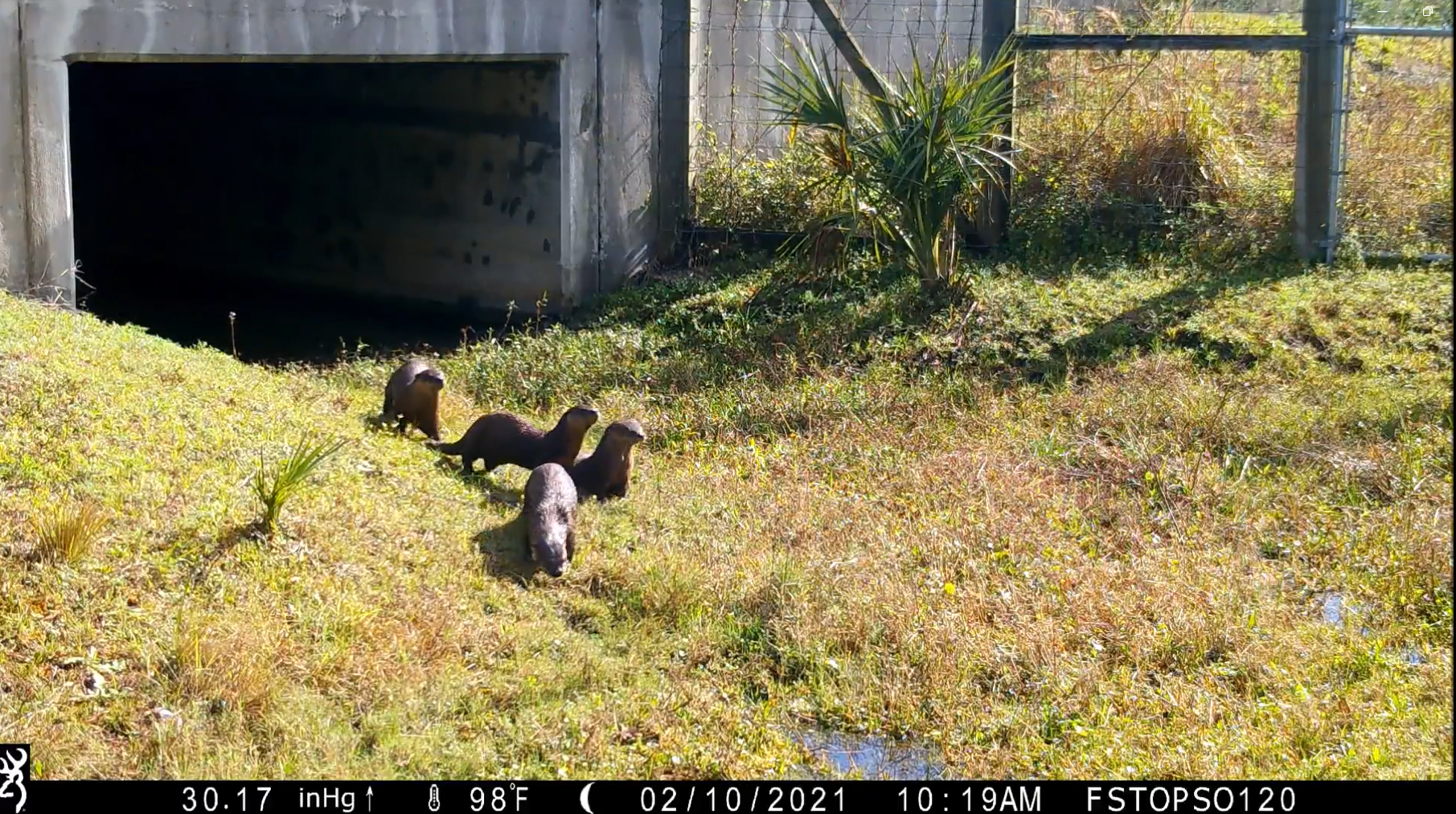
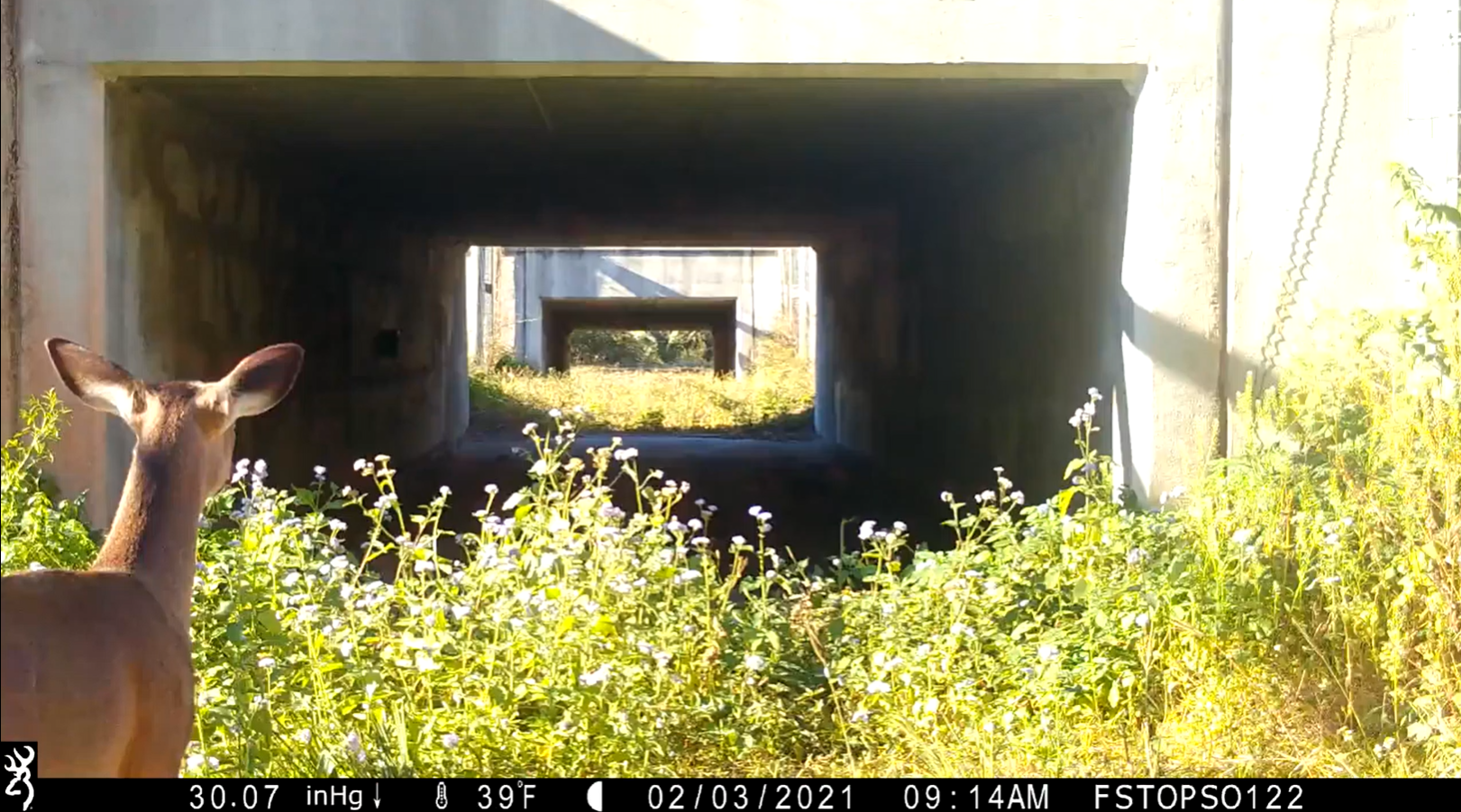
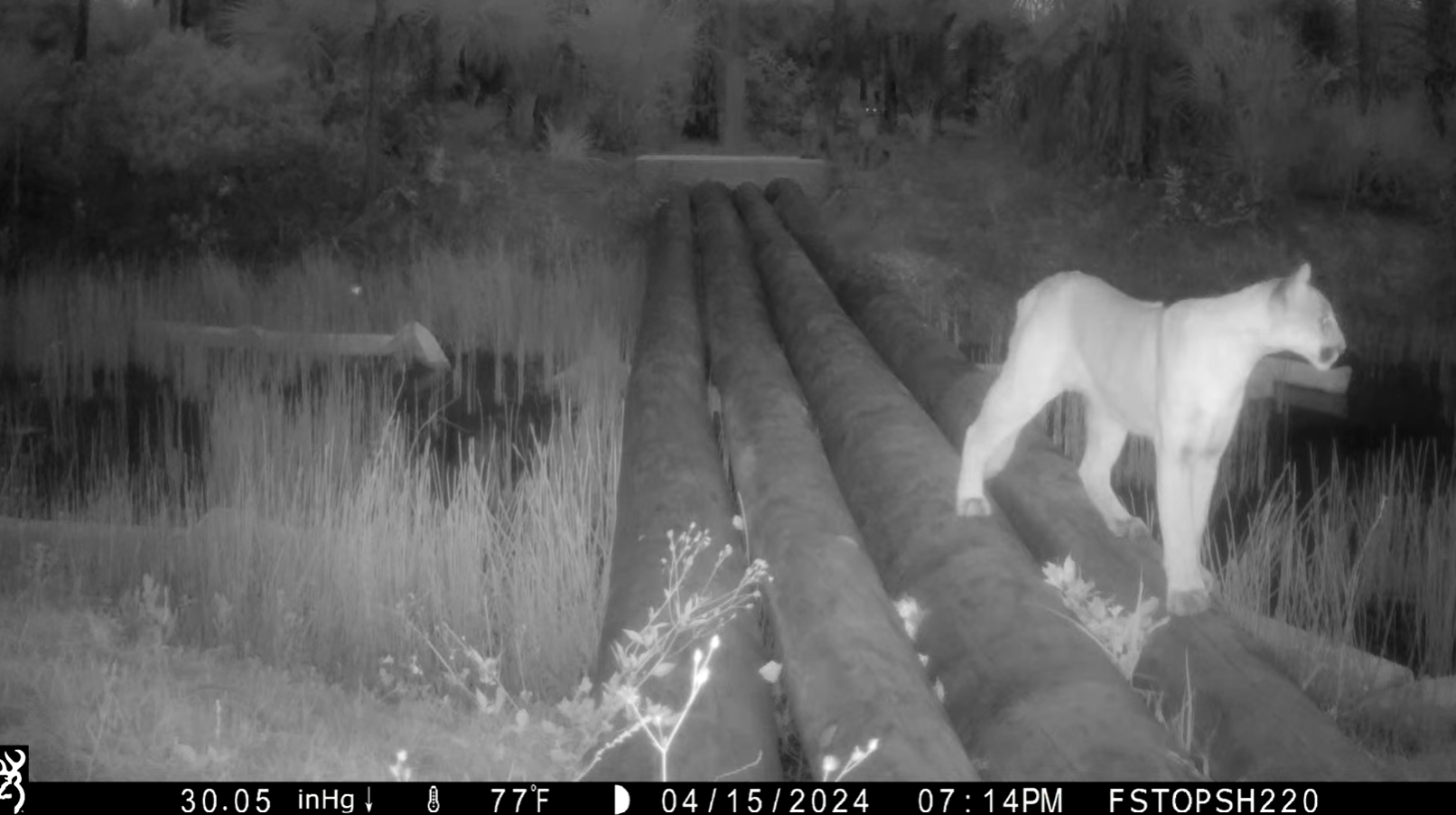
The full study is available at https://livewildly.com/wp-content/uploads/FINAL_Study-for-Cost-Reducing-Strategies-for-Wildlife-Crossing-Features_Aug2026-_.pdf.
CONTACT:
Meredith Budd
meredith@livewildly.com
SOURCE: Live Wildly Foundation
View the original press release on ACCESS Newswire
Media gallery