MetaboTide Reviews: Company Announce Release of Ingredient Specifications for MetaboTide Drops
As dietary supplement buyers increasingly inspect serving measurements, delivery formats, and multi-ingredient listings
Press Release Disclaimer: This is a press release distributed through the XPR Media network. It has not been independently verified by our newsroom.

As dietary supplement buyers increasingly inspect serving measurements, delivery formats, and multi-ingredient listings before making purchasing decisions, manufacturers face growing expectations to present complete formulation details clearly and neutrally
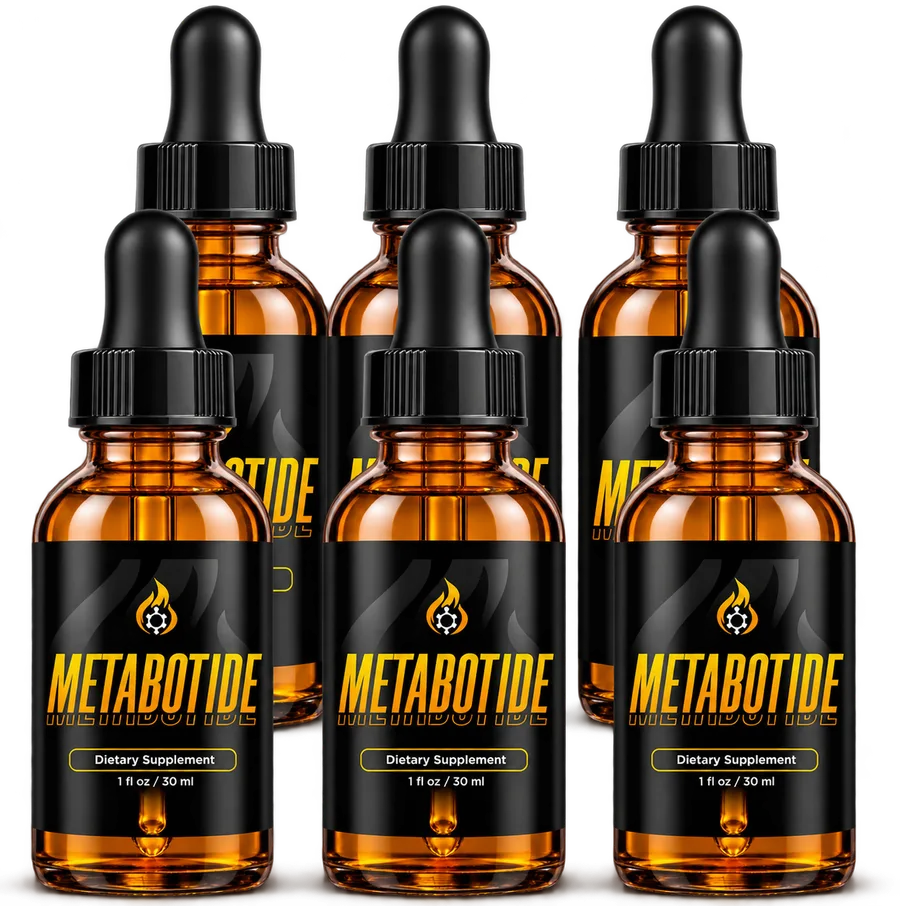
NEW YORK, NY – November 23, 2026 – MetaboTide today announced the release of formulation documentation and ingredient specifications for MetaboTide Drops, a liquid dietary supplement combining 0.7 micrograms (mcg) of chromium (as chromium picolinate) with a 200-milligram (mg) proprietary blend comprising 22 botanical extracts, amino acids, and related compounds. Published to establish a clear record of the product’s composition prior to broader consumer distribution, the release outlines each listed component, explains how liquid drop formats differ from traditional capsules or tablets in daily routines, and summarizes the nutritional context surrounding chromium and common dietary ingredients.
As dietary supplement buyers increasingly inspect serving measurements, delivery formats, and multi-ingredient listings before making purchasing decisions, manufacturers face growing expectations to present complete formulation details clearly and neutrally. Rather than presenting ingredient lists solely on product labels after purchase, MetaboTide compiled its full ingredient schedule and operational overview to give consumers, wellness reviewers, and healthcare professionals direct access to the exact composition of MetaboTide Drops.
“Consumers looking at multi-ingredient liquid supplements want straightforward answers about what is actually inside the bottle and how the formula is put together,” said Hannah Callahan, Head of Product Operations at MetaboTide. “Publishing the complete ingredient breakdown for MetaboTide Drops gives readers an exact look at the 0.7 mcg chromium picolinate entry and all 22 components of the 200 mg proprietary blend so they can review the formula against their own routine and questions.”
The release of MetaboTide Drops reflects a broader shift in consumer habits toward liquid supplements that fit easily into morning beverages, water routines, or structured daily schedules without requiring large pills. While daily weight management routines depend on foundational habits such as balanced nutrition, consistent physical activity, sleep quality, and guidance from qualified healthcare professionals, dietary supplements are frequently evaluated as optional additions within broader lifestyle plans. MetaboTide’s announcement focuses on documenting the product’s formulation, ingredient roster, and operational context accurately.
Formulation Breakdown: Chromium and the 200 mg Proprietary Blend
MetaboTide Drops pairs a single listed mineral entry with a multi-ingredient proprietary blend totaling 200 mg per designated serving. In dietary supplement labeling, a proprietary blend groups multiple ingredients under a combined weight figure rather than listing individual milligram amounts for each constituent, while individual ingredients within the blend are still identified by name in descending order of inclusion or according to labeling specifications.
Listed Mineral Component
-
Chromium (as chromium picolinate) – 0.7 mcg: Chromium is a trace mineral studied in human nutrition for its role in normal macronutrient metabolism, including how the body processes carbohydrates, fats, and proteins alongside insulin signaling. In MetaboTide Drops, chromium is supplied in the picolinate chelated form at 0.7 mcg per serving.
The 22-Ingredient Proprietary Blend (200 mg Total)
The proprietary blend in MetaboTide Drops brings together plant extracts, amino acids, and related compounds that appear frequently across contemporary dietary supplement formulations:
-
Maca Root Extract (Lepidium meyenii): A root extract derived from a plant native to the high Andes, traditionally used in culinary and nutritional contexts and included in modern wellness formulas.
-
Grape Seed Extract (Vitis vinifera): An extract obtained from grape seeds, widely examined in nutritional science for its polyphenolic compounds, including proanthocyanidins.
-
Guarana Seed Extract (Paullinia cupana): A botanical seed extract native to the Amazon basin, commonly researched in connection with naturally occurring xanthine alkaloids such as caffeine and studied in multi-ingredient dietary blends.
-
African Mango Seed Extract (Irvingia gabonensis): A seed extract sourced from Irvingia gabonensis, frequently included in contemporary weight-focused supplement formulas and subject to ongoing nutritional investigation.
-
Eleutherococcus Senticosus Root Extract: Also known as Siberian ginseng root extract, an adaptogenic botanical traditionally used in herbal preparations to support general vitality and stress resilience.
-
Astragalus Root Extract: An extract from Astragalus membranaceus root, a staple botanical in traditional herbalism studied for its saponins, polysaccharides, and general wellness applications.
-
Green Tea Leaf Extract (Camellia sinensis): A concentrated extract from tea leaves containing catechins (such as epigallocatechin gallate, or EGCG) and natural plant compounds widely studied in nutrition research.
-
Gymnema Leaf Extract: Derived from Gymnema sylvestre leaves, a botanical traditionally referenced in South Asian herbal practices and examined in research related to sweet taste perception and carbohydrate metabolism.
-
Coleus Forskohlii Root Extract: An extract from the root of Coleus forskohlii, standardized or studied for forskolin, a diterpene compound examined in laboratory and nutritional settings.
-
Capsicum Annuum Fruit Extract: A pepper fruit extract providing capsaicinoids such as capsaicin, frequently studied in nutrition literature for thermogenic and sensory properties.
-
Grapefruit Fruit Extract (Citrus paradisi): A citrus extract containing bioflavonoids and plant compounds associated with Citrus paradisi, included in multi-ingredient botanical blends.
-
Panax Ginseng Aerial Extract: An extract derived from the aerial portions of Panax ginseng, a plant long studied in herbal and nutritional literature for ginsenosides and general wellness support.
-
Raspberry Ketones: Aromatic phenolic compounds naturally present in trace amounts in red raspberries and synthesized or extracted for use in flavorings and dietary supplements.
-
L-Glutamine: A conditionally essential amino acid abundant in the body and involved in nitrogen transport, cellular energy, and gastrointestinal lining maintenance.
-
L-Tyrosine: A non-essential amino acid that serves as a precursor to catecholamine neurotransmitters—including dopamine, norepinephrine, and epinephrine—and is studied in connection with cognitive demands under stress.
-
L-Arginine Base: An amino acid involved in nitric oxide synthesis, urea cycle metabolism, and protein building blocks across physiological systems.
-
Beta-Alanine: A non-proteinogenic beta-amino acid that combines with histidine to form carnosine in skeletal muscle tissue, widely studied in sports and exercise nutrition.
-
Monoammonium Glycyrrhizinate: A sweet-tasting ammonium salt derived from glycyrrhizinic acid found in licorice root, used in food and supplement formulations for flavoring and formulation balance.
-
GABA (Gamma Amino Butyric Acid): A naturally occurring non-protein amino acid that functions as a major inhibitory neurotransmitter in the central nervous system and appears in relaxation and routine-support supplements.
-
L-Ornithine HCL: The hydrochloride salt of L-ornithine, a non-protein amino acid participating in the urea cycle and amino acid metabolism.
-
L-Tryptophan: An essential amino acid obtained through diet that serves as a metabolic precursor to serotonin and melatonin, relevant to mood and sleep-wake pathways.
-
L-Carnitine Base: A compound synthesized from lysine and methionine that plays a recognized physiological role in transporting long-chain fatty acids into mitochondria for energy production.
“A 22-ingredient blend covers a wide range of botanicals and amino acids, which means people have different questions about what each item is and why it is grouped into a 200 mg proprietary blend,” said Hannah Callahan, Head of Product Operations at MetaboTide. “Laying out every single name clearly—from maca and green tea leaf extract to L-carnitine, GABA, and L-tyrosine—helps readers separate individual ingredient identities from the overall serving weight.”
How Liquid Drop Formats Fit Into Daily Weight Management Routines
For individuals organizing structured daily routines around nutrition, hydration, and weight management, supplement delivery format often plays a practical role in consistency. Liquid drops differ from capsules, softgels, and chewables in several operational ways:
-
Flexible Routine Integration: Liquid drops can be measured directly or added to water or a daily beverage according to label directions, which some consumers prefer when they already take multiple daily tablets or find swallowing capsules inconvenient.
-
Portion Visibility: Dropper-based liquids allow users to see the liquid volume being measured prior to intake, provided they follow the exact serving size and administration instructions printed on the bottle.
-
Multi-Ingredient Blending: Combining hydrophilic and lipophilic botanical extracts, amino acids, and trace minerals in a single liquid formula requires formulation engineering to maintain stability, palatability, and consistent dispersion across servings.
At the same time, nutrition professionals emphasize that no dietary supplement replaces core weight management practices. Sustainable weight management involves caloric awareness suited to an individual’s needs, nutrient-dense whole foods, regular aerobic and resistance exercise, adequate sleep, and stress management. Supplements such as MetaboTide Drops are intended, if used at all, to sit alongside these habits rather than substitute for them.
Individuals with underlying medical conditions, those who are pregnant or nursing, and anyone taking prescription medications—particularly medications affecting blood glucose, blood pressure, mood or neurotransmitter pathways, thyroid function, or liver metabolism—should consult a licensed healthcare provider before starting any new dietary supplement. Because multi-ingredient formulas contain multiple active plant compounds and amino acids, reviewing the full list with a pharmacist or physician helps identify potential sensitivities or interactions.
Nutritional Context and Regulatory Boundaries
In evaluating ingredients such as chromium picolinate, green tea leaf extract, guarana seed extract, capsicum extract, L-carnitine, or amino acids like L-glutamine and L-tyrosine, objective reporting distinguishes between general nutritional or physiological roles and proven clinical outcomes for a finished multi-ingredient product.
Under U.S. dietary supplement frameworks, dietary supplements are regulated differently from prescription or over-the-counter drugs. They are not intended to diagnose, treat, cure, or prevent any disease. Furthermore, while individual nutrients or botanical extracts may have existing bodies of scientific literature examining biochemical pathways, metabolism, or tolerability under specific study conditions, the presence of multiple ingredients in a proprietary blend does not automatically confer the clinical results of every individual study onto the combined formula—especially when the proprietary blend totals 200 mg across 22 distinct components.
By publishing the exact 0.7 mcg chromium (as chromium picolinate) figure and the full 22-item list within the 200 mg proprietary blend, MetaboTide provides transparent baseline specifications so prospective buyers and reviewers can evaluate the formulation on verifiable facts rather than assumptions.
Availability and Next Steps for Consumers
MetaboTide Drops is scheduled for rollout through the company’s direct channels alongside updated product documentation detailing serving instructions, storage guidance, and ingredient disclosures. Prospective customers are encouraged to review the complete Supplement Facts panel on the product packaging upon release, check for any personal sensitivities to botanical extracts or amino acids, and consult a healthcare professional with questions regarding personal health goals.
About MetaboTide
MetaboTide develops dietary supplement formulations designed around clear ingredient documentation and practical daily routines. Headquartered in New York, the company focuses on multi-ingredient nutritional products—such as MetaboTide Drops featuring 0.7 mcg chromium picolinate and a 22-ingredient proprietary blend—supported by accessible product specifications for consumers across the United States. For additional information, visit https://metabo-tide.shop/website/.
Media Contact
Press & Formulation Inquiries
MetaboTide Communications Team
Email: media@metabotidedrops.com
Phone: (877) 210-7173
Address: 11870 62nd St N, Largo, FL 33773