Study: 40% of travelers buy jewelry on vacation. Here’s how to do it right.
Jewelers Mutual Group reports that 40% of travelers buy jewelry on vacation, often overpaying.
Press Release Disclaimer: This is a press release distributed through the XPR Media network. It has not been independently verified by our newsroom.
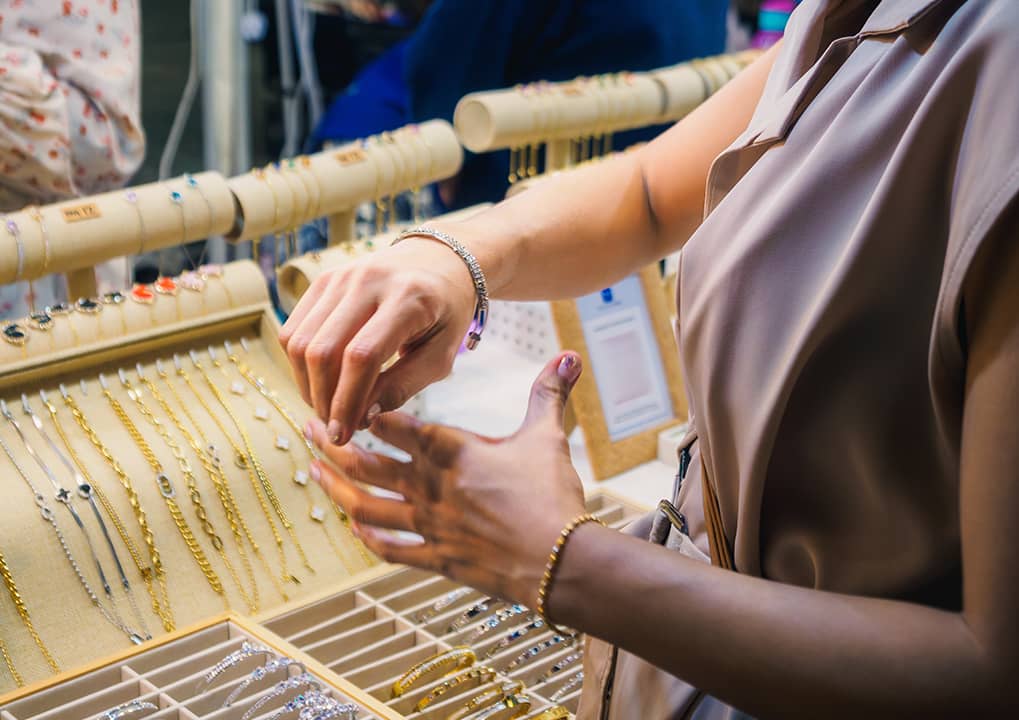

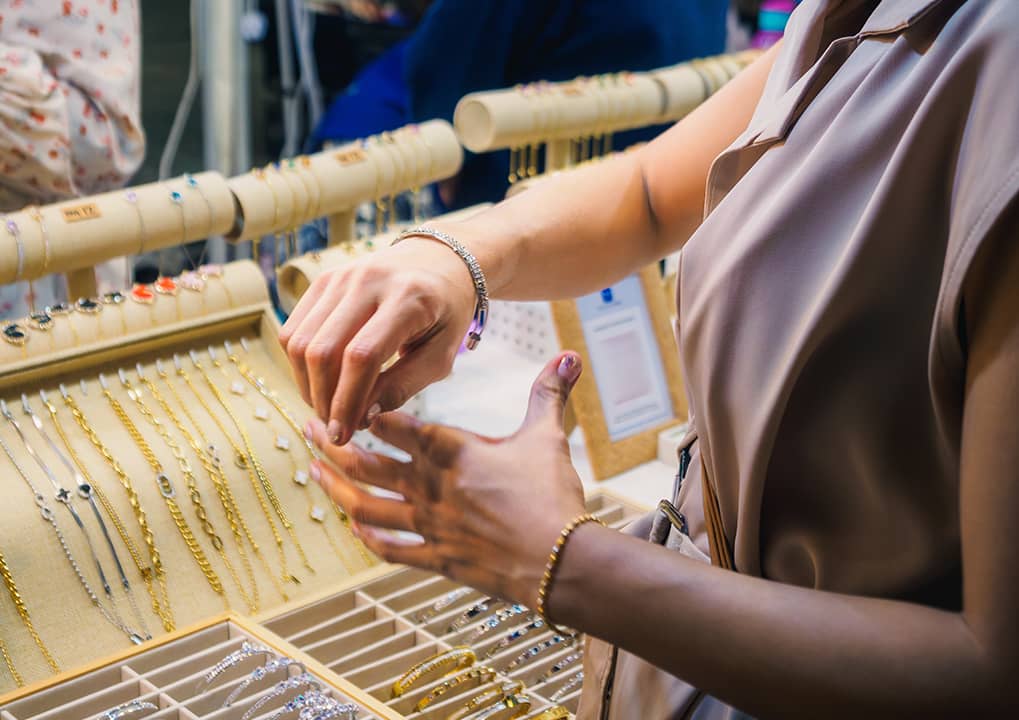
Abzuraimi // Shutterstock
Study: 40% of travelers buy jewelry on vacation. Here’s how to do it right.
Shopping is the most popular leisure activity for overseas travelers, according to a 2025 survey from the International Trade Administration, and jewelry remains as a meaningful souvenir people bring home.
According to a 2026 study by Jewelers Mutual about jewelry shopping trends, 40% of travelers purchased jewelry on their adventures during the past year, and 58% wore those purchases home rather than packing them away. Whether it’s a gemstone from the Caribbean, a handcrafted silver bracelet from Europe, or a diamond purchased to celebrate a milestone, jewelry often becomes part of the memories people make while traveling.
Unfortunately, vacation purchases don’t always turn out as expected.
Independent investigations conducted byThe Rossen Reports team in popular cruise destinations such as Cozumel, Mexico, and Key West, Florida, have found that travelers were frequently overcharged or misled about the quality of the pieces they bought. Working with a certified gemologist, investigators found that many items were overpriced by up to $800.
“The excitement of travel can sometimes lead people to make quicker purchasing decisions than they normally would,” says Emili Vesilind, a jewelry trends expert from Jewelers Mutual. “A little research before your trip can go a long way toward helping you find a reputable jeweler and making a purchase you’ll feel good about long-term.”
Here’s how to shop confidently while traveling.
1. Research the jeweler before you buy
One of the smartest things you can do happens before you ever step inside a jewelry store.
Look for established retailers with strong online reviews, industry affiliations, and recommendations from trusted travel publications or hotel concierge staff. Read customer feedback from multiple sources, not just the retailer’s own website.
Useful resources include:
- Cruise Critic
- PriceScope
- Complaints Board
- JVC Legal
According to the study, 92% of respondents who purchased jewelry while traveling reported buying from brands they were already familiar with, at least some of the time. That instinct can help reduce risk.
2. Examine the craftsmanship carefully
There’s no reason to rush; take your time inspecting every piece thoroughly. Quality jewelry should always have:
- Smooth, finished edges
- Secure stone settings
- Strong clasps and hinges
- Even metalwork
- Hallmarks such as “14K” or “925” (although stamps alone don’t guarantee authenticity)
If anything feels flimsy or uneven, keep looking.
3. Ask for documentation
A reputable jeweler should willingly provide documentation describing exactly what you’re purchasing. Make sure you ask for:
- A detailed sales receipt
- Certificate of authenticity
- Diamond or gemstone grading report (when applicable)
These documents should clearly list:
- Metal type
- Gemstone details
- Carat weights
- Any treatments or enhancements
If documentation seems vague or incomplete, that’s a reason to pause and reconsider.
4. Watch for common warning signs
Some red flags should immediately make you reconsider. Be cautious if you notice any of the following:
- Prices that seem unusually low
- High-pressure sales tactics
- Sellers unwilling to answer questions
- Missing paperwork
- Poor craftsmanship
- Claims that sound too good to be true
A trustworthy jeweler should never pressure you into making an immediate decision.
5. Ask questions and trust your instincts
You want to put your trust in jewelers who can effortlessly speak to the composition of their offerings and who prioritize a positive customer experience. When you’re shopping, don’t hesitate to ask them:
- Where was this piece made?
- Has the gemstone been treated?
- What is the return policy?
- Can I have everything in writing?
If the answers seem inconsistent or evasive, walk away. The best souvenir is one you feel completely confident about buying.
6. Save your paperwork before you leave
Once you’ve found the right piece:
- Photograph the jewelry
- Photograph any certificates
- Keep the receipt
- Save the retailer’s contact information
These records can make future appraisals, repairs, or insurance claims much easier.
Is jewelry cheaper at the airport?
You may have wondered, ‘Is jewelry cheaper at the airport?’ The answer is “not usually.”
While duty-free pricing may eliminate certain taxes, airport jewelry stores often have limited selection and prices comparable to, or even higher than, those of established retailers outside the airport.
If you’re making a significant purchase, you’ll generally have more choices, better service, and stronger consumer protections at a reputable jewelry store.
How to protect jewelry while traveling
Whether you’re bringing jewelry from home or buying it during your trip, protecting it should be part of your travel plan. According to the Jewelers Mutual 2026 Travel Study:
- Jewelry loss during travel is most likely to occur near water, in hotels, and at airports.
- Nearly 9 in 10 travelers who own an engagement ring bring it on vacation.
- Younger travelers report higher rates of jewelry loss, likely because they wear their jewelry more frequently throughout their trips.
One simple strategy is the 2-1-1 Rule:
- 2 pairs of earrings
- 1 necklace
- 1 ring or statement piece
Packing fewer valuable pieces makes them easier to keep track of while still giving you plenty of styling options.
Additional travel tips include:
- Leave irreplaceable heirlooms at home.
- Carry jewelry in your carry-on, not checked luggage.
- Use the hotel safe whenever practical.
- Remove jewelry before swimming or participating in water activities.
- Avoid displaying expensive pieces in unfamiliar or crowded areas.
- Keep photos and documentation of valuable jewelry in a secure digital location.
Buy with confidence, not pressure
Jewelry purchased while traveling often marks life’s biggest moments: an engagement, anniversary, family vacation, or even a once-in-a-lifetime adventure.
It’s critical that you remember: The best purchase isn’t necessarily the biggest bargain. It’s the piece you’ll enjoy wearing for years because you bought it from a trusted seller, understood exactly what you were purchasing, and took the time to make an informed decision.
With a little preparation before your trip, you can shop with confidence and return home with a piece that tells the story of your travels for years to come.
Methodology
The most recent Jewelers Mutual study was conducted in February 2026. A sample of 1,526 adults in the U.S., age 18+ who were responsible for making insurance decisions in their household and had at least one piece of fine jewelry, was recruited via an online research panel and surveyed via online self-completion.
This story was produced by Jewelers Mutual Group and reviewed and distributed by Stacker.