Commercial Roof Condition Determines Whether Coating or Replacement Is Appropriate
A coating is designed to work with a roof that still has a serviceable system underneath it”— Jules Albert III SLIDELL,
Press Release Disclaimer: This is a press release distributed through the XPR Media network. It has not been independently verified by our newsroom.
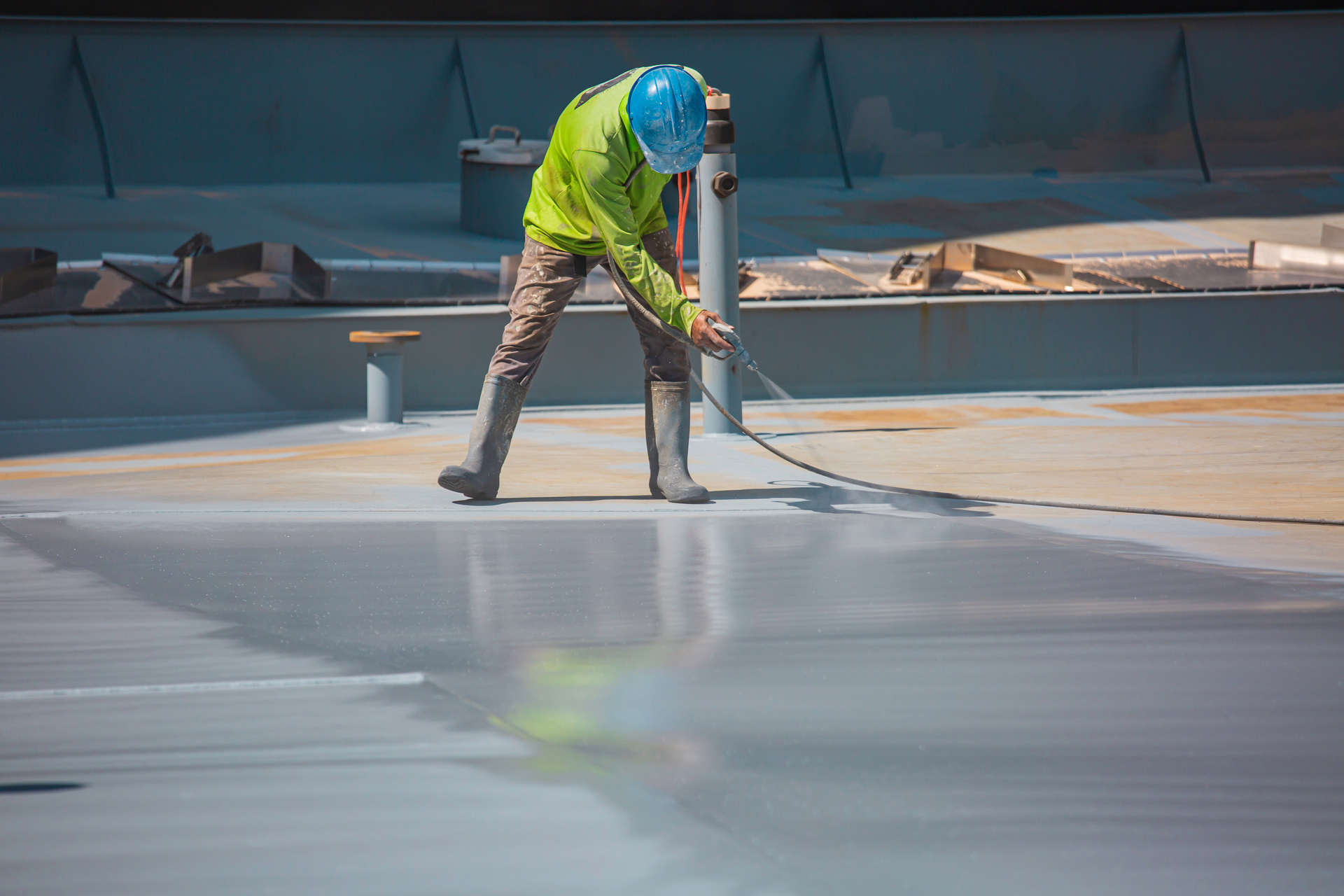

SLIDELL, LA, UNITED STATES, August 20, 2026 /EINPresswire.com/ — Commercial roof coatings can provide an additional protective layer over certain existing roofing systems, but coating is not appropriate for every roof. Determining whether a commercial roof can be coated instead of replaced requires an evaluation of the existing membrane, insulation, drainage, structural condition and extent of moisture or deterioration.
Commercial roofing systems are exposed to sunlight, rain, wind, temperature changes and standing water throughout their service lives. In Southeast Louisiana, roofs must also contend with high humidity, heavy rainfall, tropical weather and extended periods of heat.
As roofing materials age, property owners may eventually face a decision between restoration and replacement. A roof coating may be considered when the underlying roofing system remains functional but needs additional surface protection. Replacement may become necessary when deterioration extends beyond the surface.
According to Jules Albert III, owner of Jaymar Roofing in Slidell, Louisiana, the condition underneath the visible roof surface is an important part of that determination.
“A coating is designed to work with a roof that still has a serviceable system underneath it,” Albert said. “If moisture has entered the insulation, the membrane has widespread deterioration or the roof has structural problems, covering the surface does not correct those underlying conditions. The first step is determining what condition the existing roof is actually in.”
Roof inspections can begin with visible conditions.
Cracks, open seams, punctures, deteriorated flashing and areas where roofing materials have separated can indicate where water may be entering the system. Penetrations around vents, pipes, HVAC equipment and other rooftop components also require attention because those areas frequently involve transitions between different materials.
The extent of existing damage matters.
Localized defects may sometimes be repaired before a coating system is applied. Widespread membrane failure can indicate that the existing roofing material no longer provides a suitable surface for restoration.
Moisture beneath the roof membrane is another factor.
Water can enter a commercial roofing assembly and become trapped within insulation or other layers. Because that moisture may not always be visible from the surface, additional evaluation can sometimes be necessary.
Wet insulation can lose thermal performance and may contribute to deterioration of surrounding materials. Applying a coating over extensive trapped moisture does not remove the water or restore damaged insulation.
Drainage conditions also influence coating decisions.
Low-slope commercial roofs rely on drains, scuppers, gutters or other systems to move rainwater away from the building. Depressions or drainage problems can allow water to remain on the roof after storms.
Some coating materials are designed to tolerate periods of standing water better than others, but persistent ponding can indicate an underlying slope or drainage issue that should be evaluated separately.
Roof attachment and structural conditions are also relevant.
A coating becomes part of the existing roof system, so the materials underneath need to remain appropriately attached and structurally stable. Loose membrane sections, deteriorated decking or other structural concerns cannot generally be corrected simply by applying a surface coating.
The existing roofing material itself affects compatibility.
Commercial buildings may use modified bitumen, built-up roofing, metal roofing, EPDM, TPO, PVC or other systems. Coating manufacturers establish requirements regarding acceptable substrates, surface preparation, primers and application conditions.
Adhesion is essential.
A coating applied to a dirty, deteriorated or incompatible surface may not bond as intended. Commercial roofs therefore typically require cleaning and preparation before coating. Oils, biological growth, loose material and other contaminants can interfere with adhesion.
Existing repairs may also need evaluation.
Commercial roofs often accumulate patches and repair materials over time. Some may be compatible with a proposed coating system, while others may require removal, modification or additional preparation.
Weather conditions during application can affect the process as well.
Many roof coating products require suitable surface temperatures and dry conditions during installation and curing. Louisiana humidity and sudden rainfall can therefore become scheduling considerations.
The age of a commercial roof alone does not necessarily determine whether coating or replacement is appropriate.
Two roofs installed during the same year may be in substantially different condition because of maintenance history, storm exposure, drainage, foot traffic, installation methods and other factors.
A relatively old roof with a dry, stable underlying assembly may present different options than a newer roof with extensive moisture intrusion.
The intended use of the building can also influence the evaluation.
Roofing systems over offices, warehouses, retail properties, manufacturing facilities and other commercial spaces may have different insulation, drainage and rooftop equipment configurations. Frequent maintenance traffic around HVAC equipment can create wear in specific areas that requires attention before restoration.
Roof coatings can perform several functions when applied to an appropriate surface. Depending on the material, a coating may provide additional resistance to ultraviolet exposure and weather while creating a continuous layer over the prepared roof surface.
Some reflective coatings can also reduce the amount of solar energy absorbed by the roof surface, although actual building performance depends on insulation, roof design, climate and other conditions.
Replacement involves removing or covering portions of the existing roofing system and installing new roofing materials according to the selected assembly. When widespread deterioration, saturated insulation or structural damage is present, replacement may allow those underlying conditions to be addressed directly.
The distinction between coating and replacement therefore depends less on appearance than on the condition of the complete roof assembly.
A commercial roof can look weathered while remaining structurally serviceable. Another roof may appear relatively intact while containing moisture beneath the membrane.
Determining the appropriate approach requires identifying what is happening both on and below the surface.
For commercial property owners evaluating an aging roof, inspection findings involving moisture, membrane condition, drainage, adhesion and structural stability can provide the information needed to determine whether the existing system can support a coating or whether more extensive roofing work is required.
Morgan Thomas
Rhino Digital, LLC
+1 504-875-5036
email us here
Visit us on social media:
Facebook
Legal Disclaimer:
EIN Presswire provides this news content “as is” without warranty of any kind. We do not accept any responsibility or liability
for the accuracy, content, images, videos, licenses, completeness, legality, or reliability of the information contained in this
article. If you have any complaints or copyright issues related to this article, kindly contact the author above.

Media gallery